
Teen Driver Insurance in New York: What Parents Need to Know to Save Money and Stay Protected

Adding a teen driver to your auto insurance policy is a milestone for many New York families. It also comes with one of the most common concerns parents have: how much will it cost?
Teen drivers are typically more expensive to insure because they have less driving experience and statistically higher accident rates. The good news is that there are ways to manage costs while making sure your family has the right protection.
If you have a new teen driver in Central New York, here is what to know before they get behind the wheel.
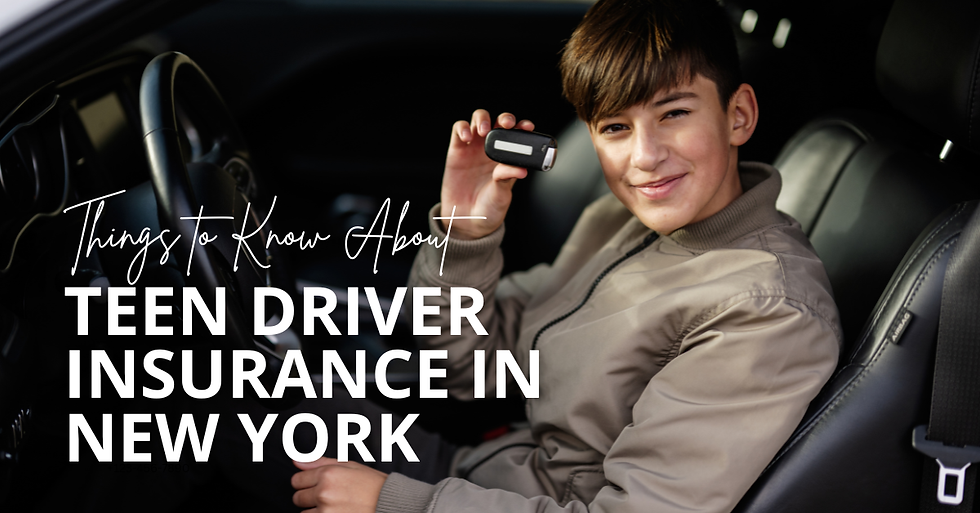
Why Teen Driver Insurance Costs More in New York
Insurance companies calculate rates based on risk. New drivers have limited experience handling traffic, weather, distractions, and emergency situations.
Several factors can affect the cost of teen driver insurance in New York, including:
Age of the driver
Driving record
Type of vehicle being driven
Location and garaging address
Coverage limits selected
Deductibles
Household driving history
Available discounts
Families are often surprised to learn that the vehicle your teen drives can significantly impact the premium. A safe, moderately priced vehicle may cost far less to insure than a sports car or newer luxury model.
Should a Teen Be Added to a Parent’s Policy?
In many cases, adding a teen driver to a parent’s existing policy is more affordable than purchasing a separate policy.
This can also make policy management easier and may allow access to multi-vehicle discounts or other household savings opportunities.
Every situation is different, so it is smart to compare options with a local insurance agent who understands New York coverage requirements.
Ways to Save on Teen Driver Insurance
There are several ways New York families may lower insurance costs for teen drivers:
Good student discounts:
Many carriers offer discounts for students who maintain qualifying grades.
Driver training courses:
Approved defensive driving or driver education programs may help.
Choosing the right vehicle:
Reliable vehicles with strong safety ratings often cost less to insure.
Higher deductibles:
If financially comfortable, adjusting deductibles may lower premiums.
Bundling policies:
Combining auto with homeowners, renters, or other policies may create savings.
Reviewing coverage regularly:
As teens gain experience and maintain a clean record, rates may improve over time.
What Coverage Should Parents Consider?
Price matters, but coverage matters more after an accident.
Many families focus only on the cheapest option and overlook liability limits. Minimum limits may not be enough in a serious accident.
Depending on your situation, it may be wise to review:
Liability coverage
Collision coverage
Comprehensive coverage
Uninsured/underinsured motorist coverage
Roadside assistance
Umbrella liability protection
This is where an experienced local agency can help you balance cost and protection.
When to Call Your Insurance Agent
Do not wait until after your teen gets their license.
It is smart to contact your insurance agency when your child receives a learner’s permit or is close to becoming licensed. Planning ahead can help avoid surprises and give you time to compare options.
Teen Driver Insurance Help in Central New York
At R.C. Dempsey Insurance, we help families across Central New York review coverage, compare options, and prepare for the real cost of adding a teen driver.
If your son or daughter is starting to drive, contact our team for a free auto insurance review and quote.
Looking for teen driver insurance in New York? We are here to help.


Me pareció muy interesante este artículo porque presenta la información de manera clara y sencilla. Estaba buscando información sobre magis tv y encontré detalles útiles para comprender mejor sus características. Este contenido resulta práctico para quienes desean conocer diferentes opciones de entretenimiento y revisar información importante antes de utilizar cualquier servicio digital.
The insights on teen driver insurance were very practical, especially for families trying to stay protected while saving money. I remember discussing similar topics when a friend got their first car, and the details were surprisingly complex. During that time, managing studies felt intense, and I thought about Do My Online Economics Class as a quick fix. This post shows how being informed can make a big difference in decisions.